Updated: October 22, 2025
Going from one major release of Ubuntu to another. Should be a simple affair, shouldn't it? After all, this is an officially supported method of upgrading your Ubuntu system. Over the years, I've bumped my various Ubuntu setups multiple times. Predictably, over the years, the quality of the procedure had deteriorated, much in line with the rest of the Linux world. When I moved Trusty to Bionic, things were fine. When I upgraded 18.04 to 22.04 on my Slimbook Pro2, there were some issues and annoyances, but nothing major.
But then, just recently, I upgraded my Exec from 22.04 to 24.04, and the process was quite messy. This stands to reason, as Kubuntu 24.04 was ultra-buggy when released, and it took a very long time for it to find its footing. Even now, though, we're on the dot-three release, and still, there are lots and lots of problems. So I thought, let me write an article detailing the various upgrade adventures I've had with the Ubuntu distro family lately. I want to share my findings, so you understand that Linux needs rework. Primarily, it needs less speed, less development, and far more focus on stability, quality and predictability. Let's commence.
Slimbook Executive upgrade
I linked to the ordeal above, but this was really annoying. Most importantly, the upgrade process did not reinstall all of my programs, even though we're talking 100% free stuff from the repos. It also borked my apt sources, and I could not install any updates for a bunch of programs until I manually fixed those. Horrible.
Virtual machine upgrade
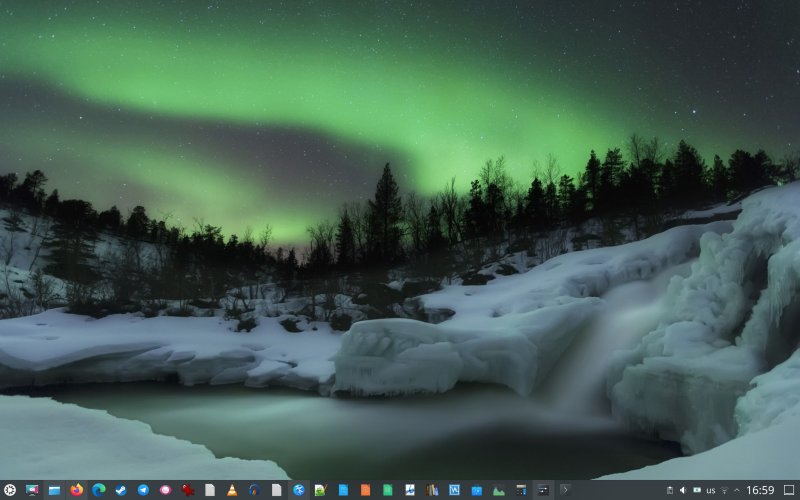
Next, I upgraded another Kubuntu 22.04 instance. This time, a completely separate virtual machine. No fancy stuff, no driver issues, nothing. It should have been smooth sailing, but nope. This time, the upgrade process did not "install" VLC and WINE. Last time, it was GIMP, KDEnlive and WINE. Ridiculous. Dolphin also does not remember my compress settings (archive names, format, all that). Why?
Another virtual machine upgrade ...
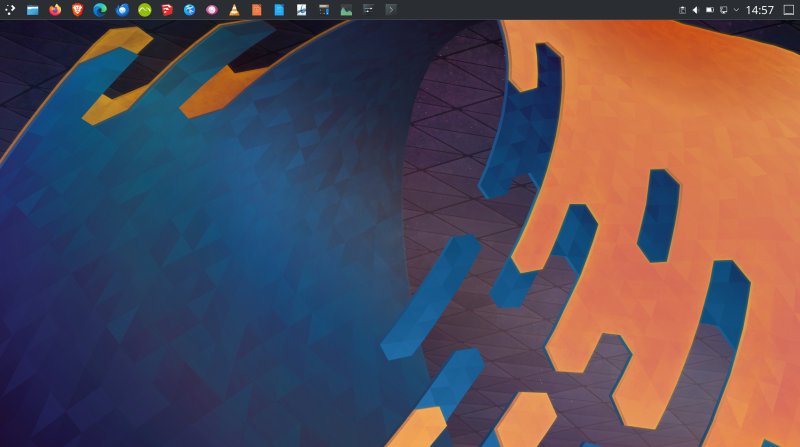
Here, I went from Ubuntu 20.04 to Ubuntu 22.04. Fewer problems, except ... During the upgrade procedure, the screen lock kicked in. But this was the "updated" screen lock, and it would not show the password prompt. It just read: Authentication error. I tried recovering from a virtual console, to no avail. The setup was utterly, completely borked. I assume the upgrade process stopped in the GUI session, for whatever reason, probably some silly question about some meaningless configuration that I never touched myself, but I could not get to this prompt and resolve the conflict.
I eventually rebooted the virtual machine, and it was, predictably, unbootable. Luckily, I had a virtual machine snapshot, so I restored it, made sure the screen lock was disabled, and only then upgraded a second time. Why does the upgrade tool not disable the lock itself, beats me. Another nerdy design that does not take plain, simple usability into account.
Post-upgrade, TrueCrypt didn't work - missing fuse2 package. Why? Why? Don't tell me TrueCrypt is old and similar nonsense. The program worked 100% in the PRO-enabled 20.04 instance, with latest updates and all that. So why shouldn't it work in the next LTS, or at the very least, why can't the upgrade tool, running with the third-party flag mind, check software under /opt, check the dynamic dependencies, and simply reinstall them? Why not? Horrendous.
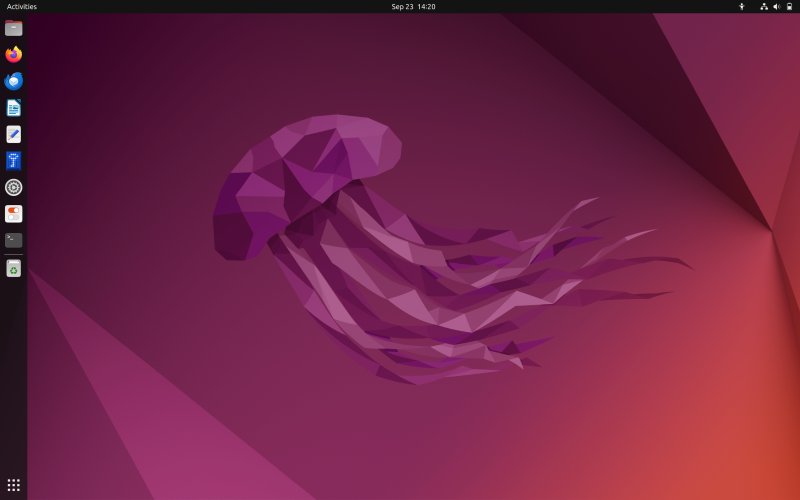
New Ubuntu version, and ... worse ergonomics! The window borders have no color, so you can't distinguish foreground and background windows. A stupid "modern" trend that continues to this day, exacerbated with every new release. And don't get me started on font color and contrast.
Conclusion
Sadness. That's the best way to describe this multi-upgrade journey. Read all my upgrade articles written in the past decade and watch how the problems pile up. From smooth, zero-issue procedures to an accumulation of punishment. Missing programs, messed up repo sources, missing configurations, straight-up botched upgrade due to screen lock problems. The interactiveness of it, where you must sit and answer pointless questions, whether you want to keen a maintainer's config version for some file titled whateverd.conf.
I am trying to understand the root cause of all this mess. I think it's a combination of apathy and obvious lack of deep, thorough testing. The whole move-fast-sprint nonsense is just that. Absolute nonsense. Operating systems are becoming worse (not just Linux), and it all comes down to hyperactive busybody coding for the sake of it, without any real added value, without product in mind, without beauty, art or philosophy.
There you go. I hope you enjoyed this article. I sure didn't.
Cheers.